


Day 2 – Slano Film Days 2026
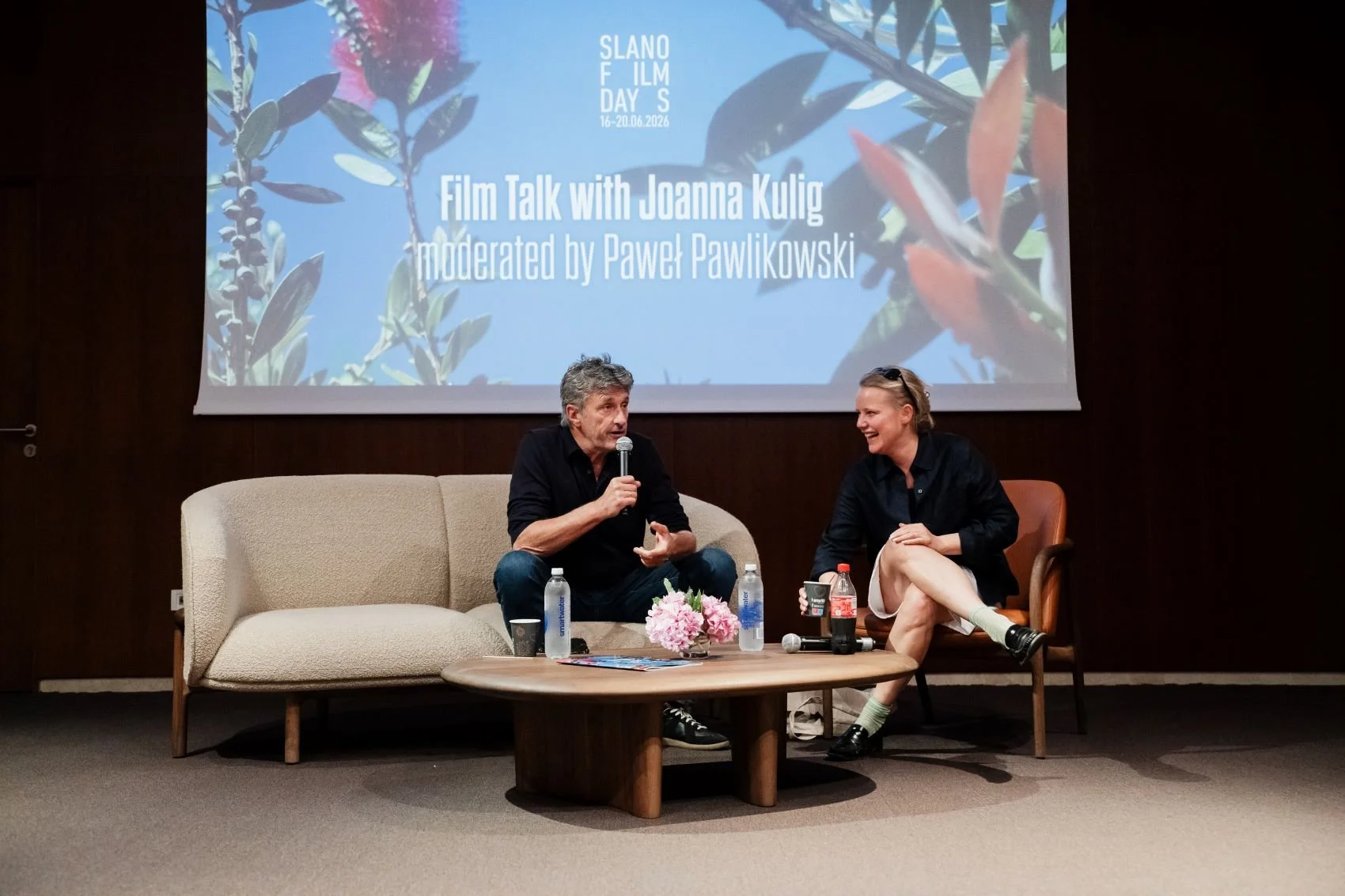
The second day of Slano Film Days 2026 began with introductions by the regional participants, while this year’s Film Talks program opened with a conversation between actress Joanna Kulig and director Paweł Pawlikowski.
Long-time collaborators Joanna Kulig, best known for her leading role in COLD WAR, and Paweł Pawlikowski offered an intimate insight into the process of creating film characters, the nature of artistic collaboration, and the challenges of working across different film industries. The conversation revealed a side of Joanna Kulig that we rarely have the opportunity to see on screen – energetic, passionate and constantly in motion as she recalled key moments from her career. She spoke in particular about her collaboration with Pawlikowski, highlighting the importance of time in the process of developing a character. In her view, a convincing acting transformation requires an extended process of research, communication and complete immersion in the character’s world, until the character becomes almost second nature. Pawlikowski added that such a process benefits not only the actors, but that through this shared exploration he often discovers new layers of the story and unexpected moments that enrich the film. Speaking about her role as Zula in COLD WAR, Kulig emphasized how rare it is today to be given enough time to develop a character of such emotional and transformative complexity. Pawlikowski stressed that trust between director and actor is crucial, particularly in films strongly driven by aesthetics and atmosphere, such as the film IDA, where much of the meaning is conveyed through subtle expressive nuances.
The conversation also touched on Joanna Kulig’s international career following the global success of COLD WAR. Although her career took her to Hollywood as well, her experience working within the American studio system proved significantly different from what she had been accustomed to in Europe. Kulig described how the accelerated pace of production often leaves little room for thorough preparation and the emotional development of a character, as well as for the process of detaching from the character after filming ends. This experience ultimately encouraged her to return to European projects that allow for greater creative commitment, patience and artistic freedom.
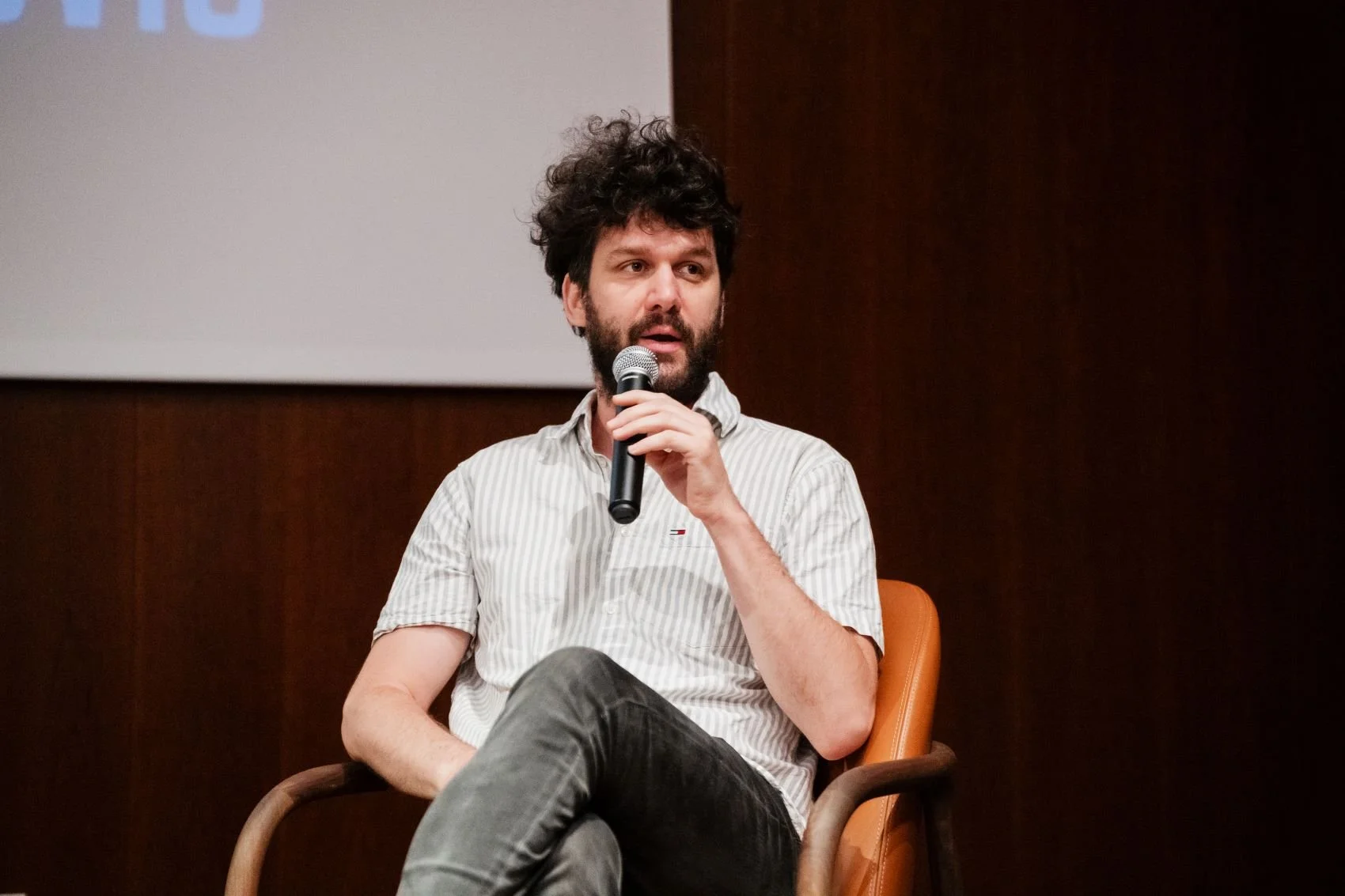
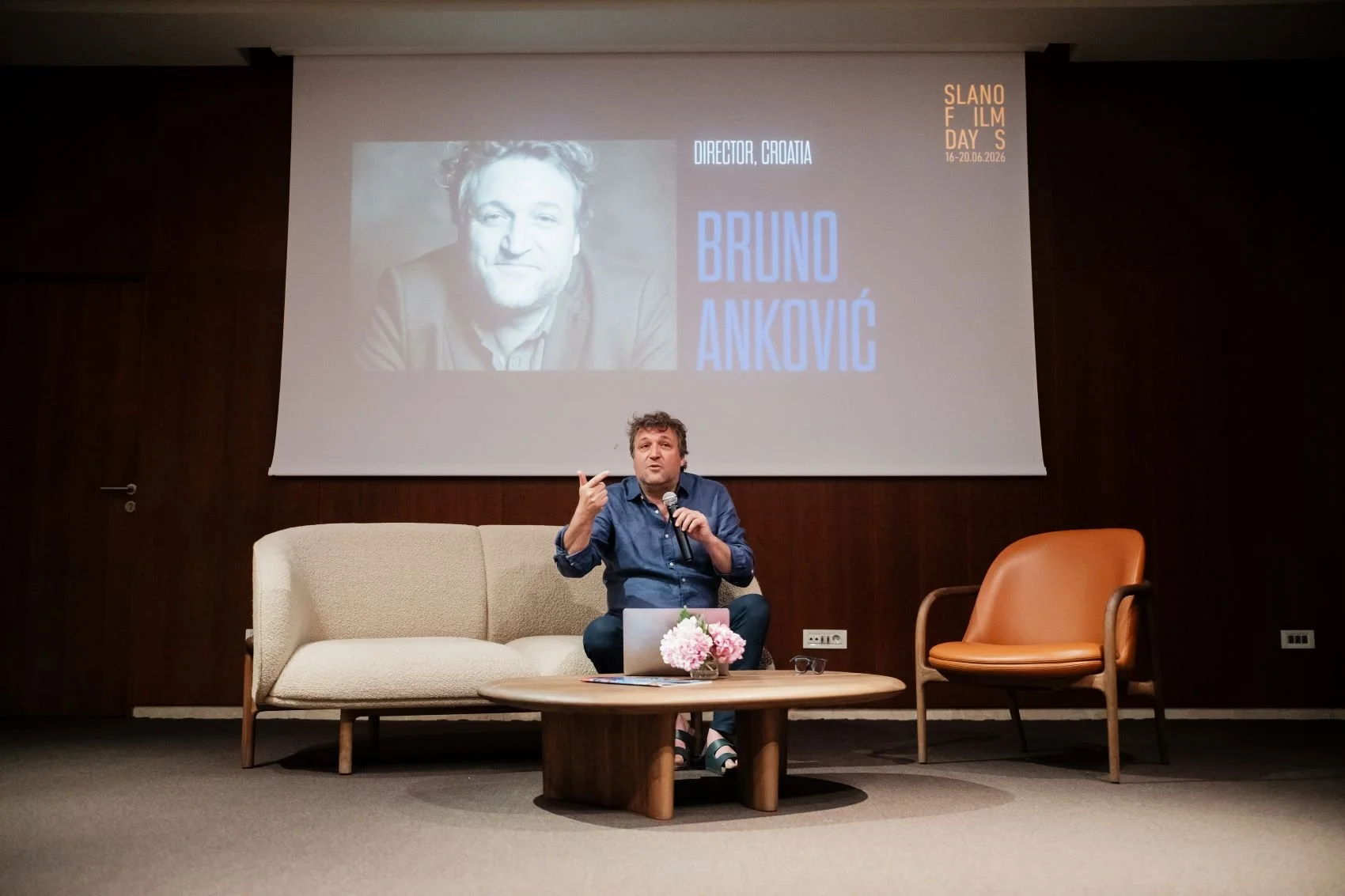
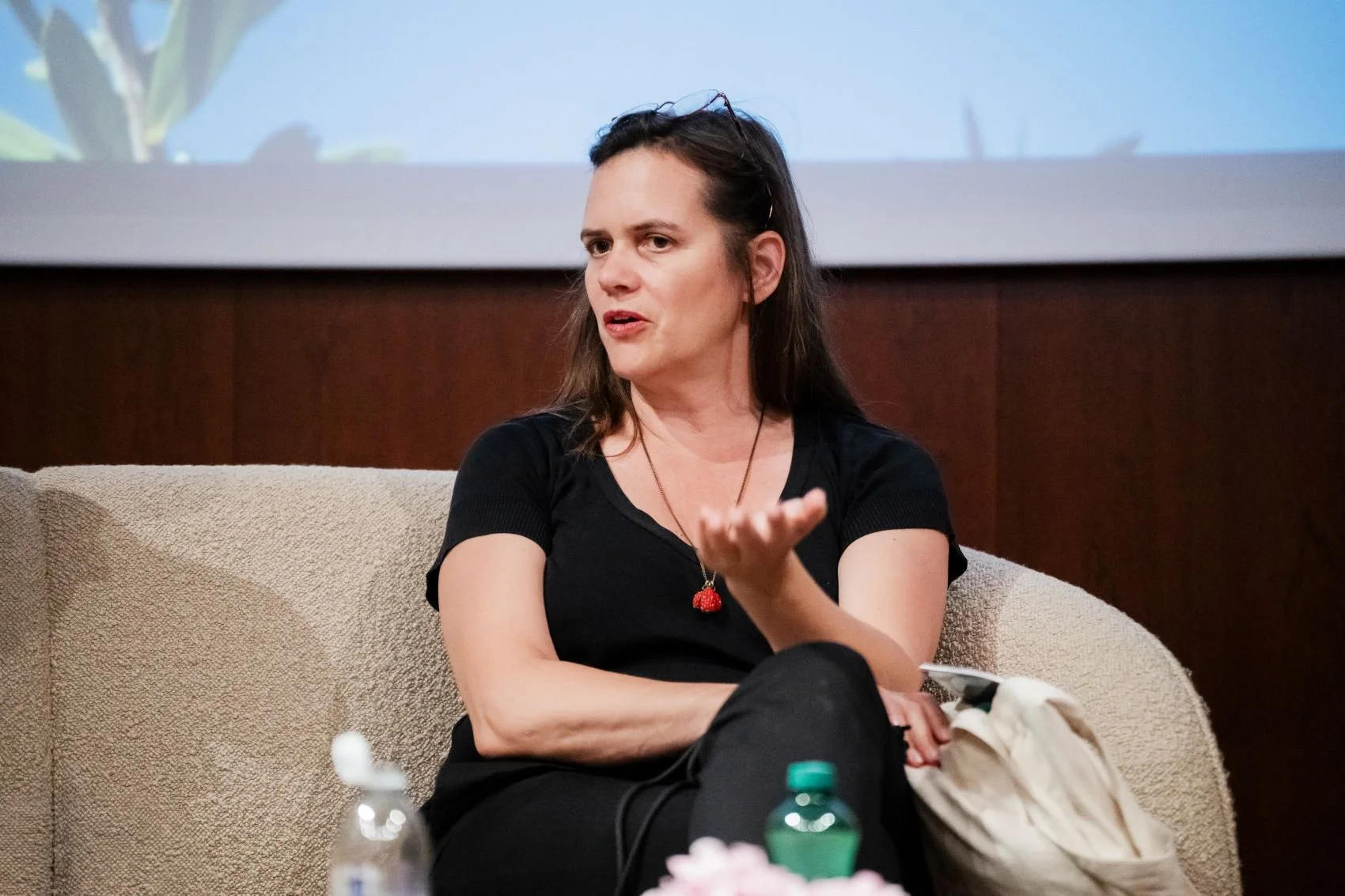
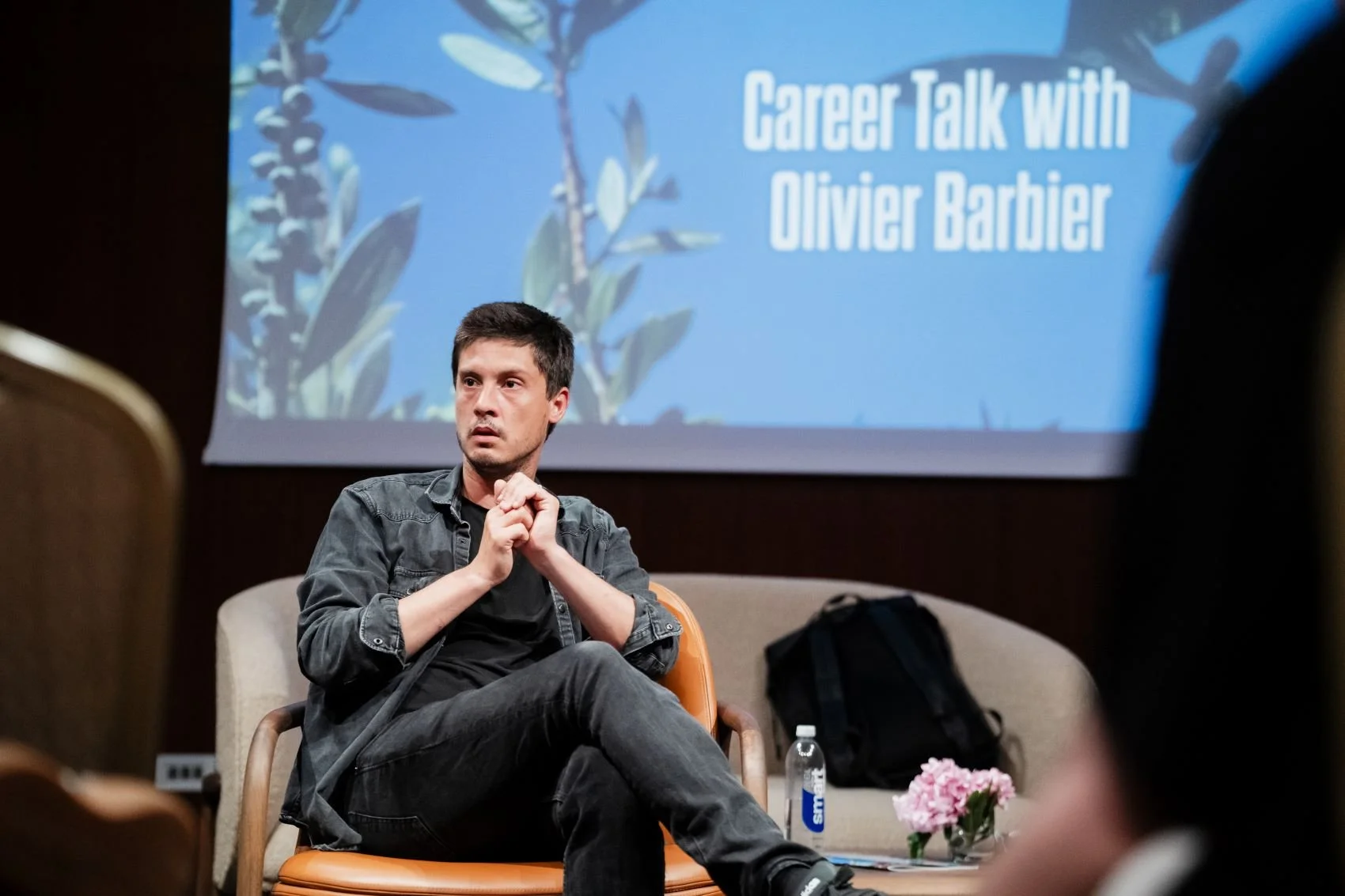
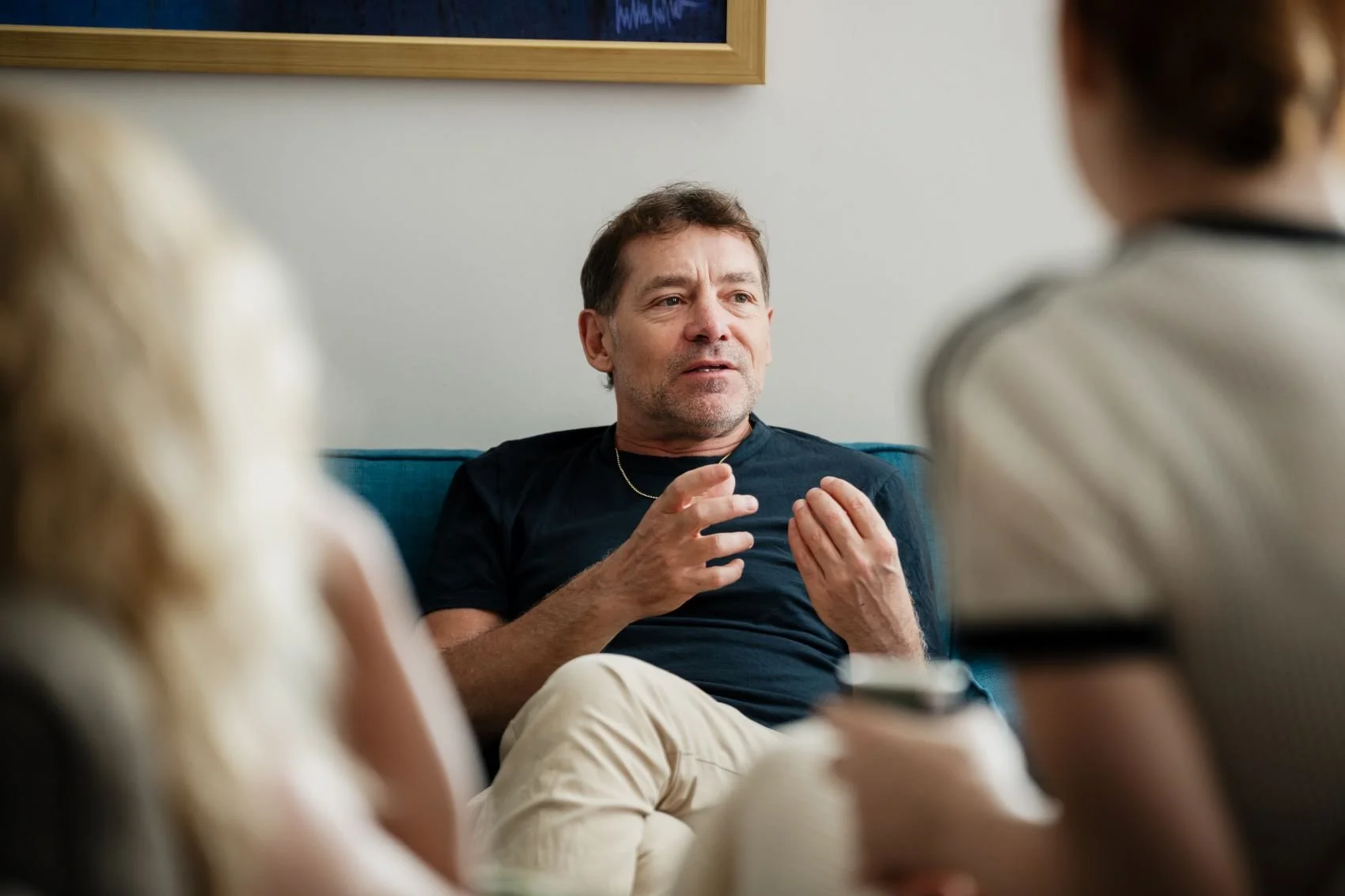
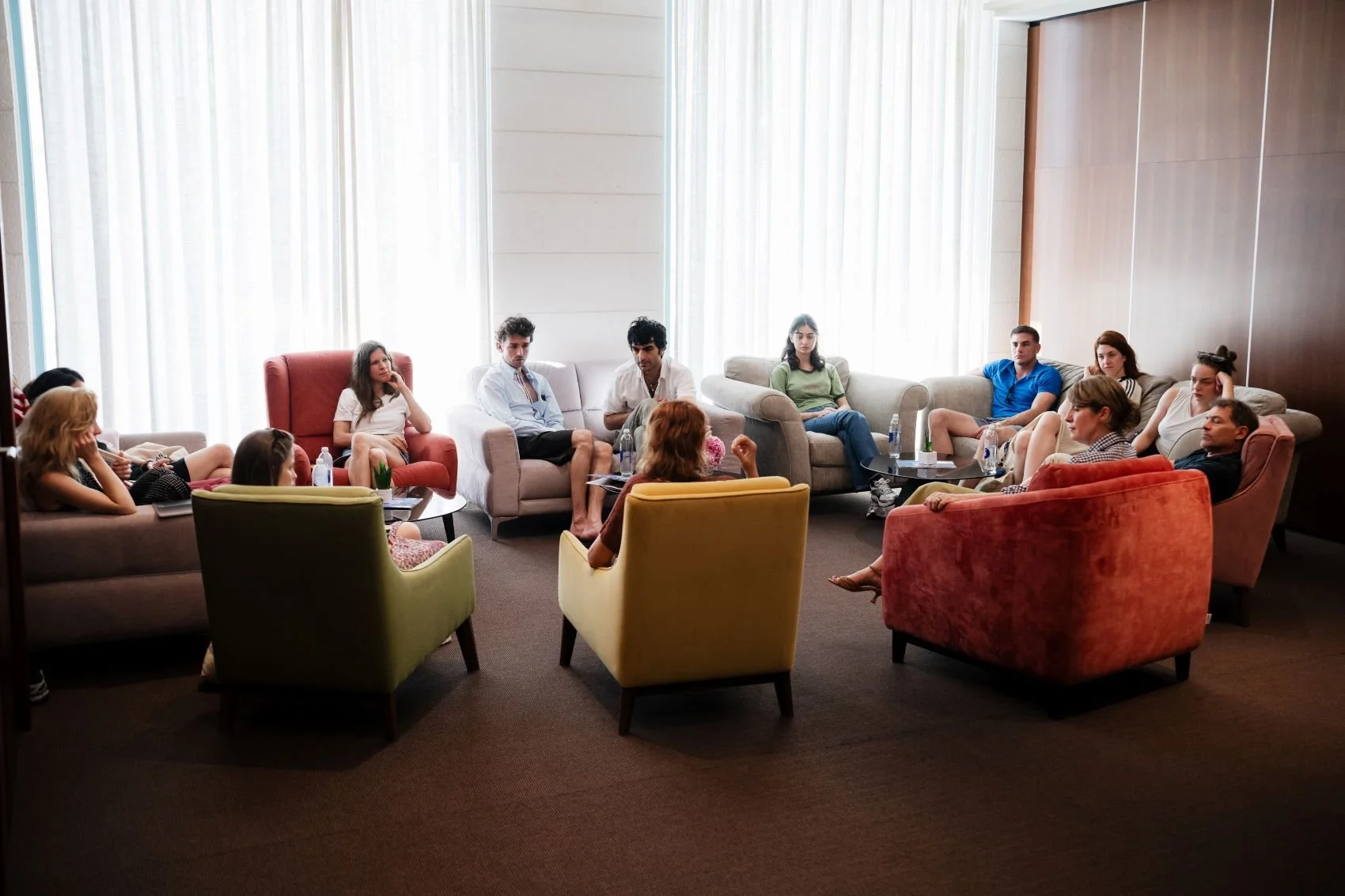
The afternoon program was dedicated to Career Talks, where participants in the program for regional directors exchanged experiences with leading film professionals: Emilie Georges, an Oscar-nominated producer, Peter Spears, an Oscar-winning producer, and Olivier Barbier, an established international sales agent. The open conversations explored career development, positioning auteur films on the international market, and the challenges of contemporary film production and distribution.
Participants in the program for actors had the opportunity to speak with two prominent casting directors. The first Career Talk was held with Francesco Vedovatti, an award-winning casting director behind projects such as THE WHITE LOTUS and THE TWO POPES, followed by a conversation with Kate Rhodes James, one of Britain’s most respected casting directors, whose credits include SHERLOCK, GLADIATOR II and NAPOLEON. Through an exchange of experiences and professional insights, the conversations explored the casting process, the development of acting careers, and the expectations and standards of contemporary international film and television production.
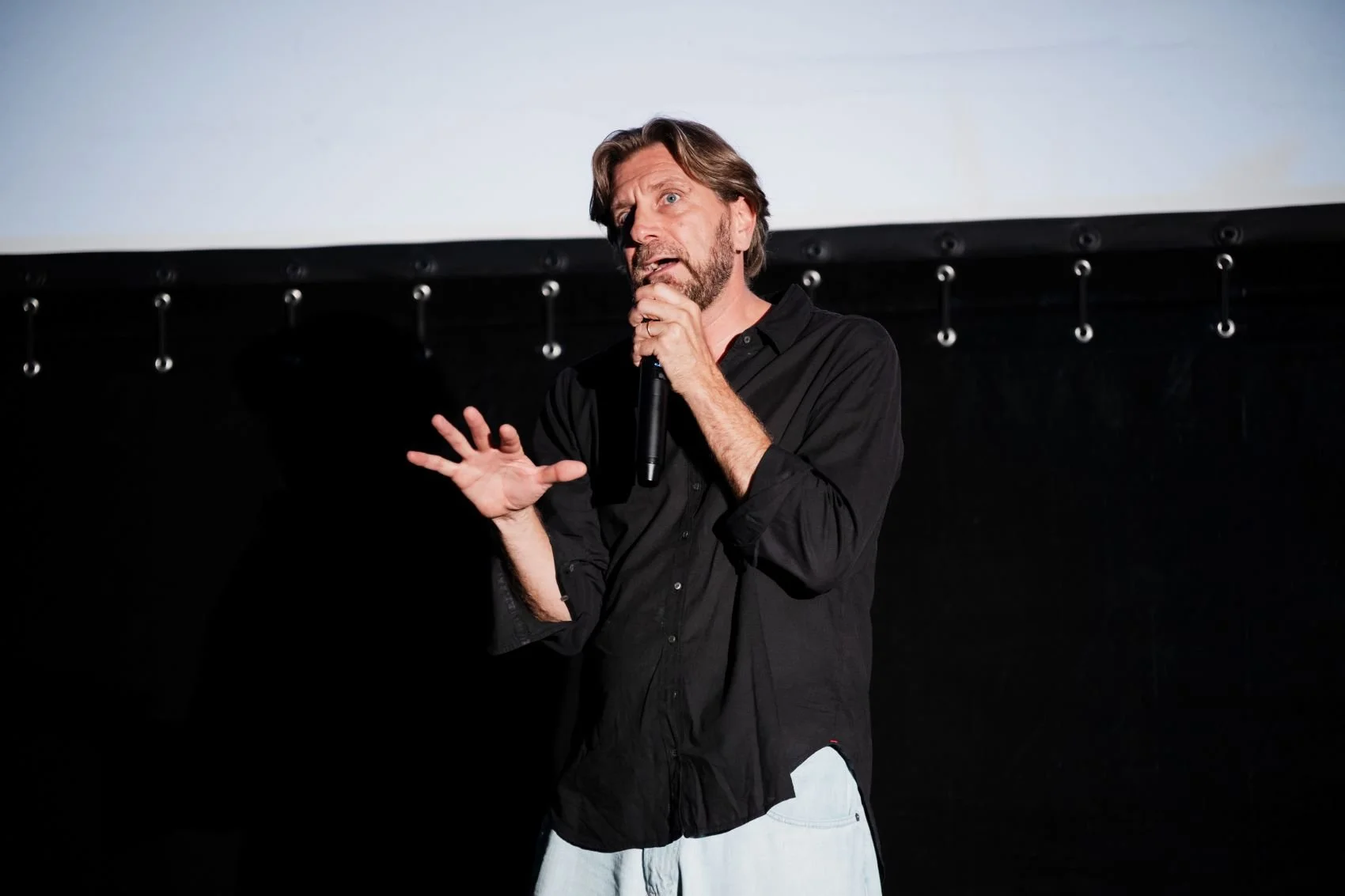
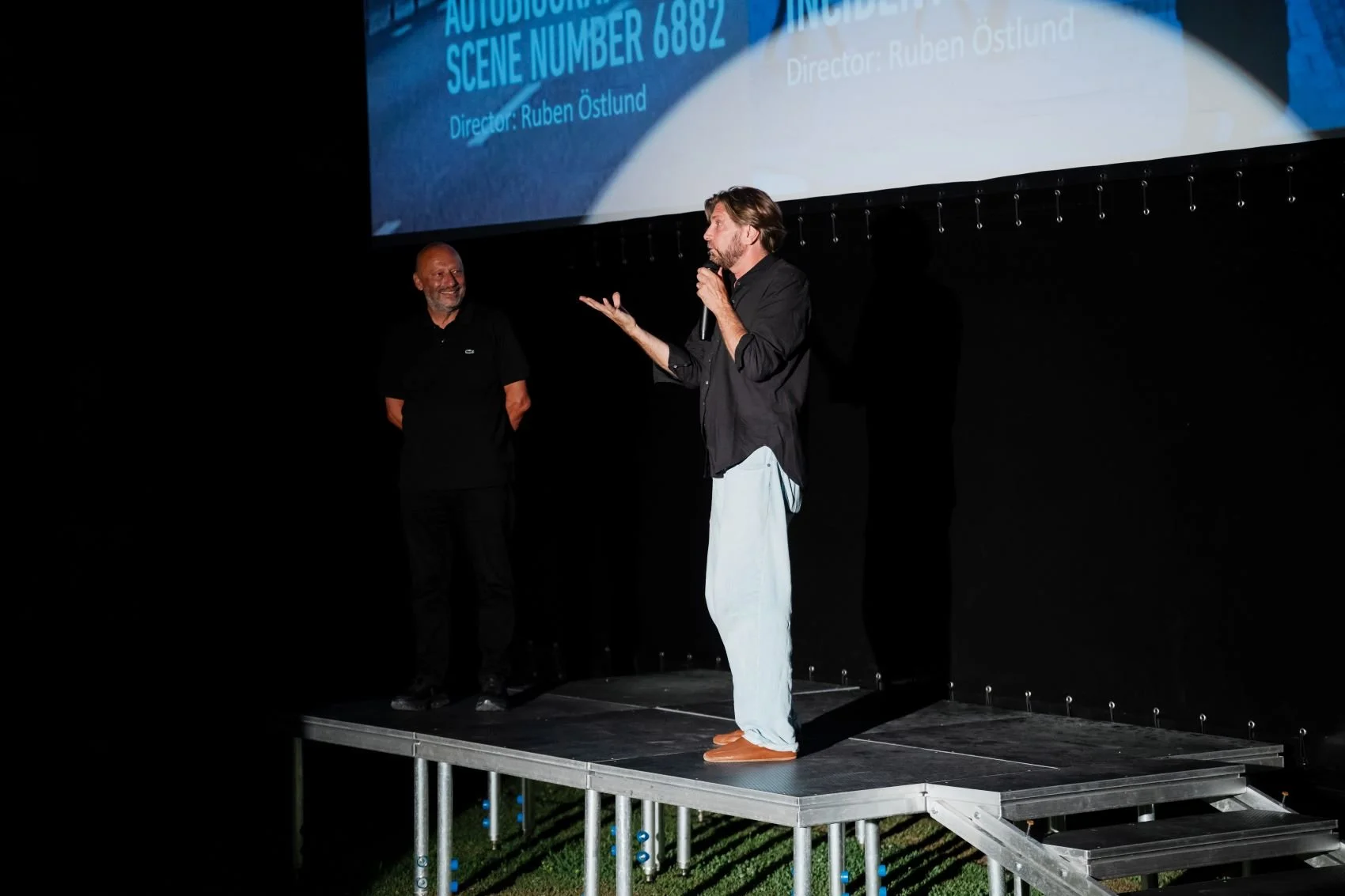
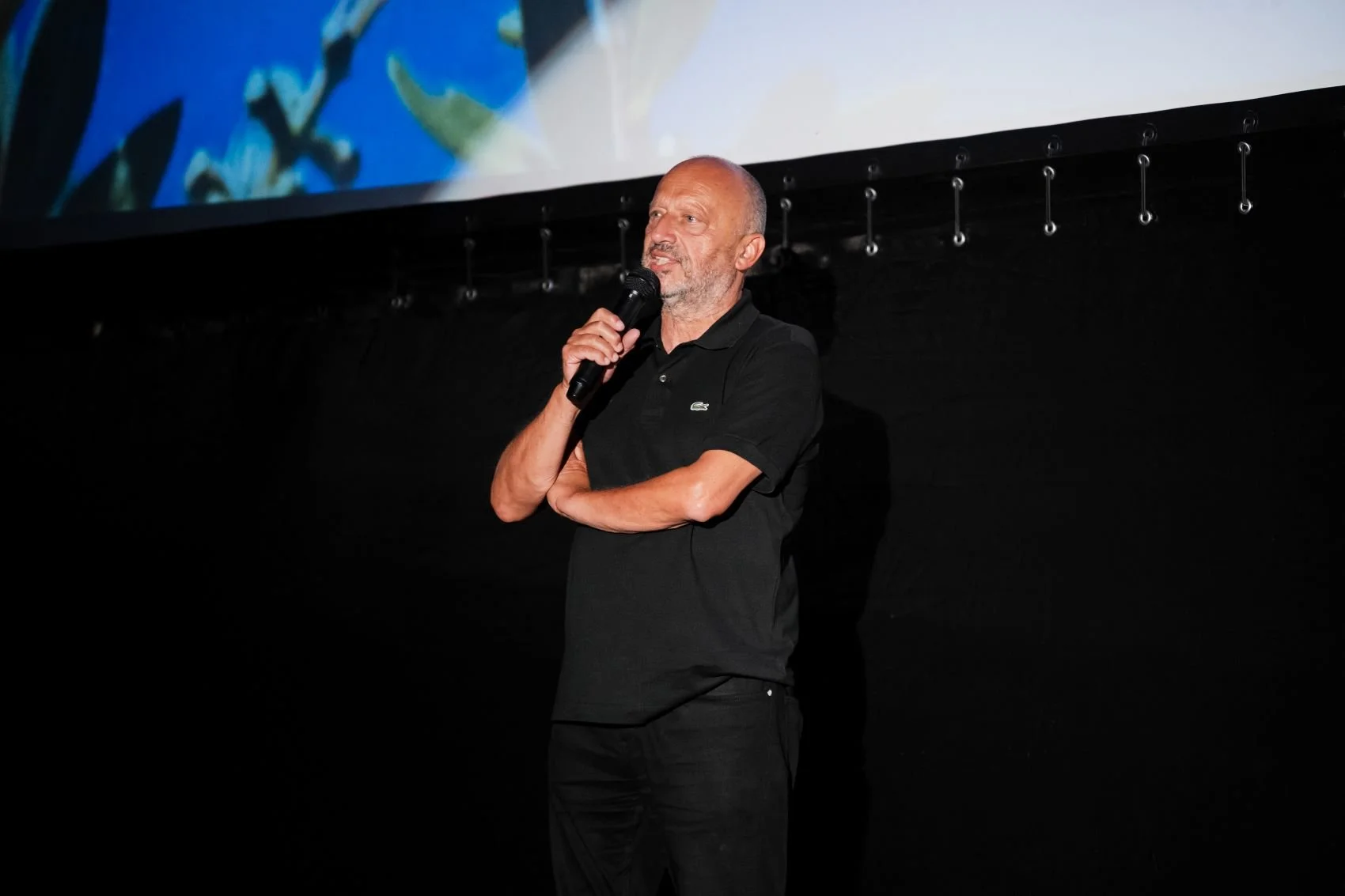
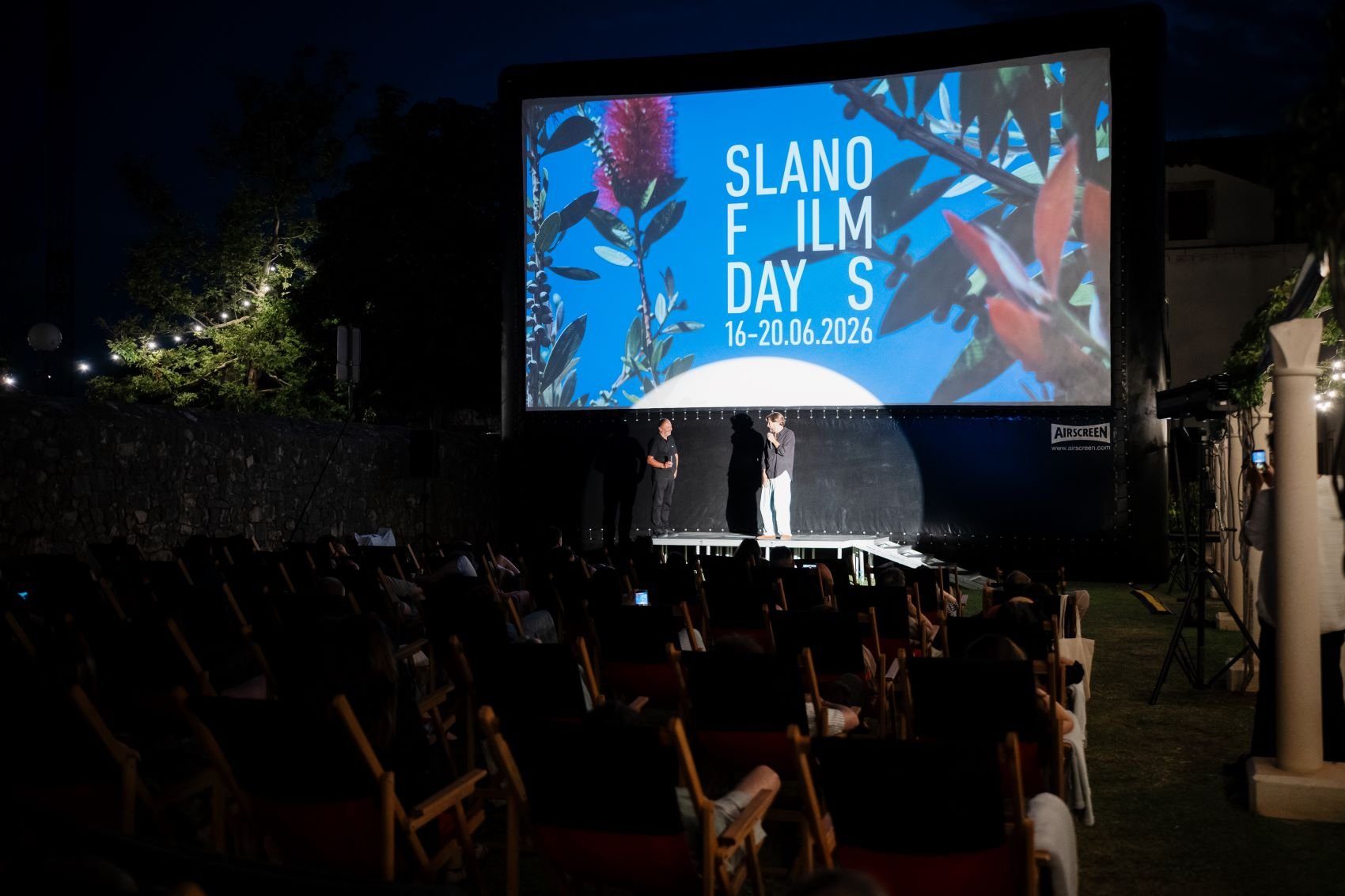
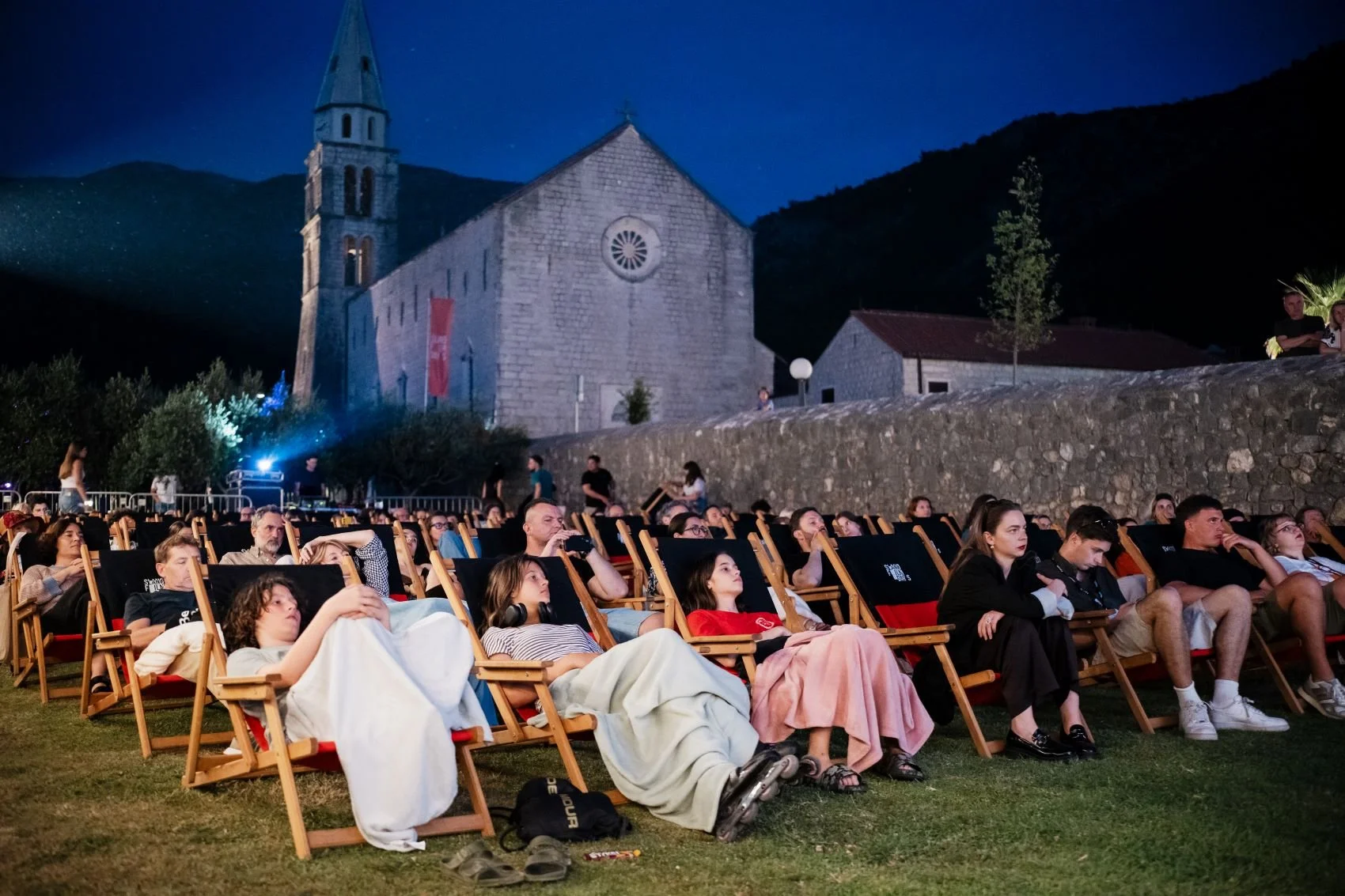
The film program at the Villa Riva Open-Air Cinema began with the short film PROLOGUE from the omnibus VISIONS OF EUROPE (2004), presented in memory of Hungarian director Béla Tarr, one of Europe’s most influential filmmakers, who passed away earlier this year. The film was introduced by Ruben Östlund, who highlighted Tarr’s belief that young filmmakers should not primarily study the film industry, but rather life and human relationships, as these are the source of stories worth telling. Östlund also emphasised the importance of the European auteur tradition, which views cinema as an art form and a personal experience rather than solely as part of the entertainment industry.
This was followed by three short films selected by Östlund. The evening opened with his films AUTOBIOGRAPHICAL SCENE NUMBER 6882, which follows a group of friends watching an attempt to jump from a bridge into the water, and INCIDENT BY A BANK, a witty and precisely choreographed reconstruction of a failed robbery inspired by a real-life event from 2006. Introducing the film, Östlund explained that the idea emerged after he witnessed an actual attempted robbery in Stockholm, an experience that was completely at odds with cinematic portrayals of such events. Alongside Östlund’s films, the audience also had the opportunity to see the short film DEATH OF A FANTASTIC MACHINE by Axel Danielson and Maximilien Van Aertryck. The film traces the development of the camera from the early days of photography to contemporary AI-generated images, exploring how technology shapes our relationship with images and the reality they capture.